A Ministry of Encouragement
Clean water for Ghana's most remote villages
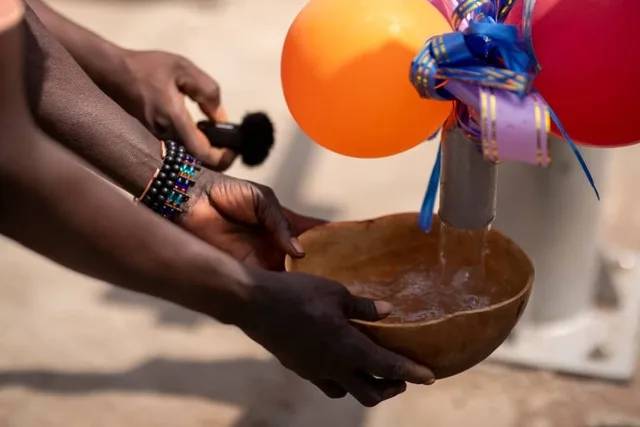
Since 2019, Barnabas R3 and our partners have funded 56 wells in villages so remote they're remote even for locals. Six more are funded and will be dedicated in March 2027.
What a well changes
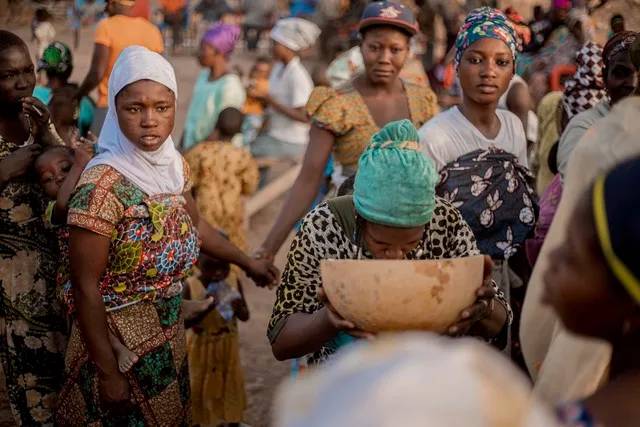
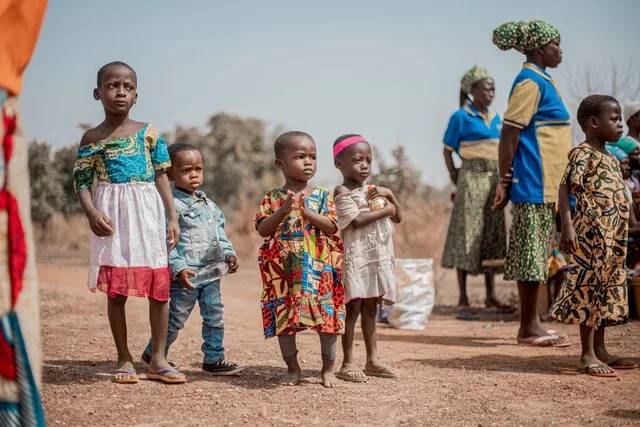
Before a well, families drank from ponds and streams that spread diseases like bilharzia, typhoid, and cholera. The people carrying that water were mostly women and children. After a well, the walk is a few hundred yards.
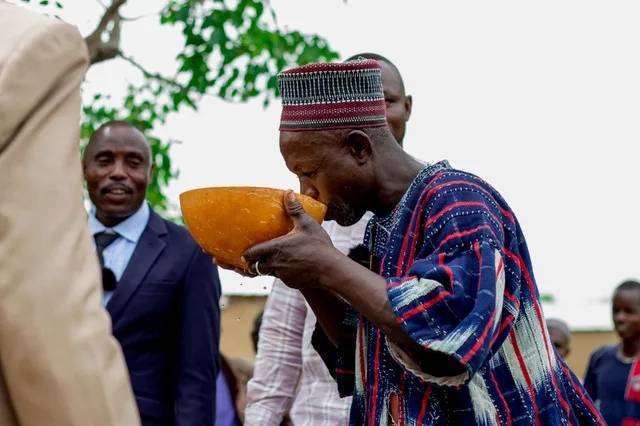
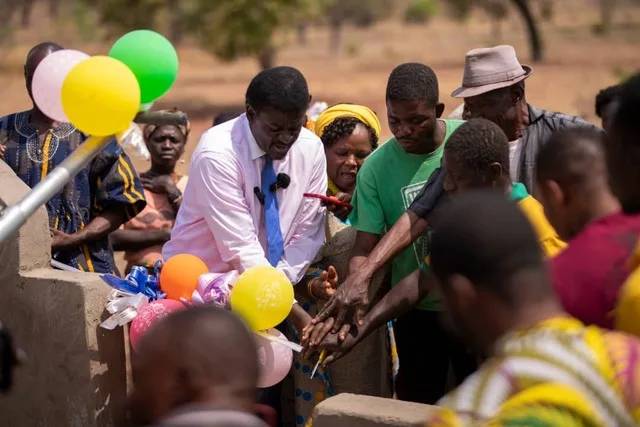
Village leaders have told us that domestic violence has dropped since the wells came, because women are no longer gone for hours hauling water. At every dedication, the village acts out a short play about life before the water came. Then people run out clapping and cheering, as if they'd been handed a fortune. In a way, they have.
Every dollar given for wells goes to wells.
We don't take a cut for overhead. Gifts to the Wells Fund pay for wells and nothing else. The costs of running Barnabas R3 are covered separately, by the board and friends who give for that purpose.
Where $6,000 goes
This is the full cost of one well, from the first visit to the village to the day the water flows. Pastor Emmanuel does the hiring and buying himself, which cuts out middlemen and keeps the work solid. Every purchase and rental has a receipt, and every well's water is tested for purity.
Receipt: one complete well
- Trips to the village to meet the community and prepare (often several)
- A siter with equipment to find the water table
- Drilling rig hire
- Pipes connecting the water to the pump
- The hand pump
- A concrete platform
- An installer to fit the pump
- Testing the water for purity
- Getting the village ready for dedication day
- The 14-hour journey north from Kumasi with the media team
- Fuel
- Food for the team
- Lodging
Total$6,000
More than a pump
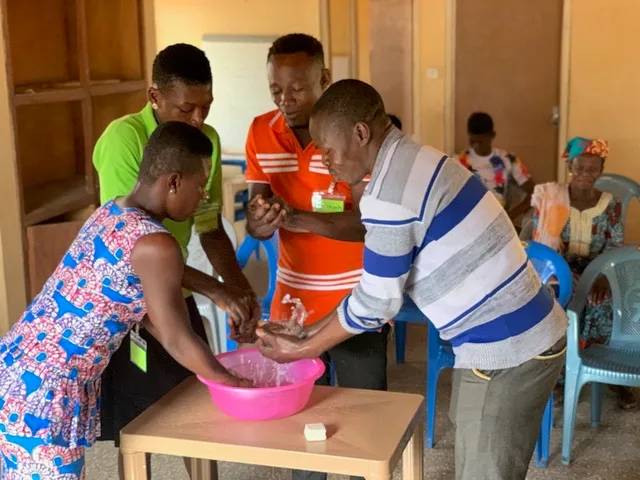
Clean water does the most good alongside clean hands and basic care. On several trips, Jenni Brewster, a registered nurse and midwife, has run village health clinics. The team has also trained village leaders in hygiene, first aid, and caring for injuries, so they can teach their own people. Teresa Cummins led the first aid and first responder training, with Clay Cummins assisting.
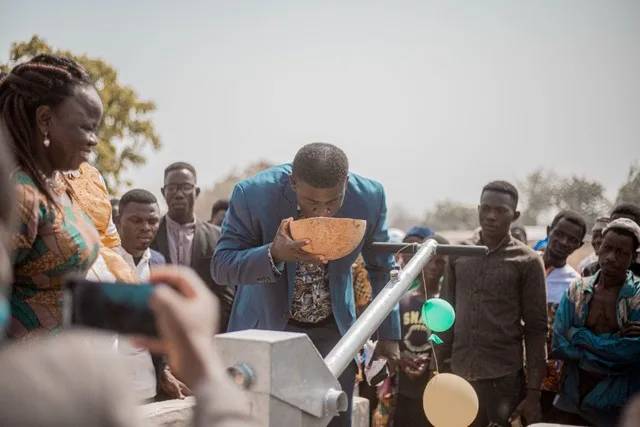
Most of these wells were funded by the people of Island Church on Bainbridge Island, Washington, our principal partner from the start. Every well carries a plaque with both our names.
Follow the journey
We'll send a short note when there's news: a new well, a dedication day, a water test. We'll never share your email.